Category: Natural environment

  • Understanding Mount Compass soils

    Understanding Mount Compass soils

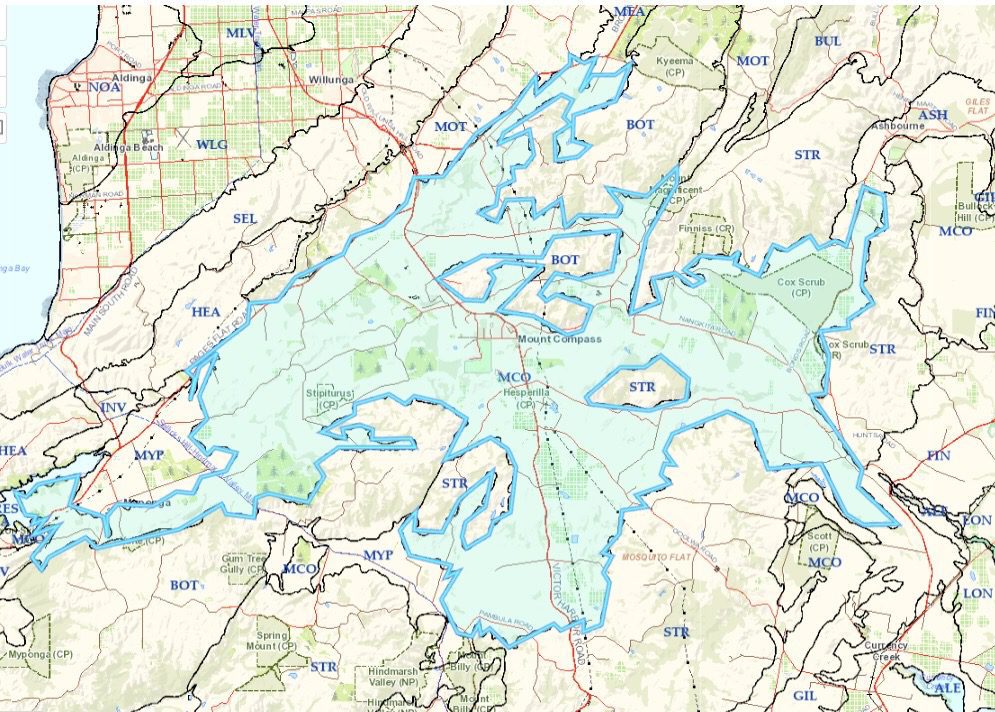
    Land systems are not singular soil descriptions but identify the landscape in which a range of similar types of soils exist. Each of the soil types are referenced by a secondary three digit code indicating soil landscape units (SLUs). These units identify the aspects of the soil and other characteristics such as the land relief.…

  • The Australian Soil Classification

    The Australian Soil Classification

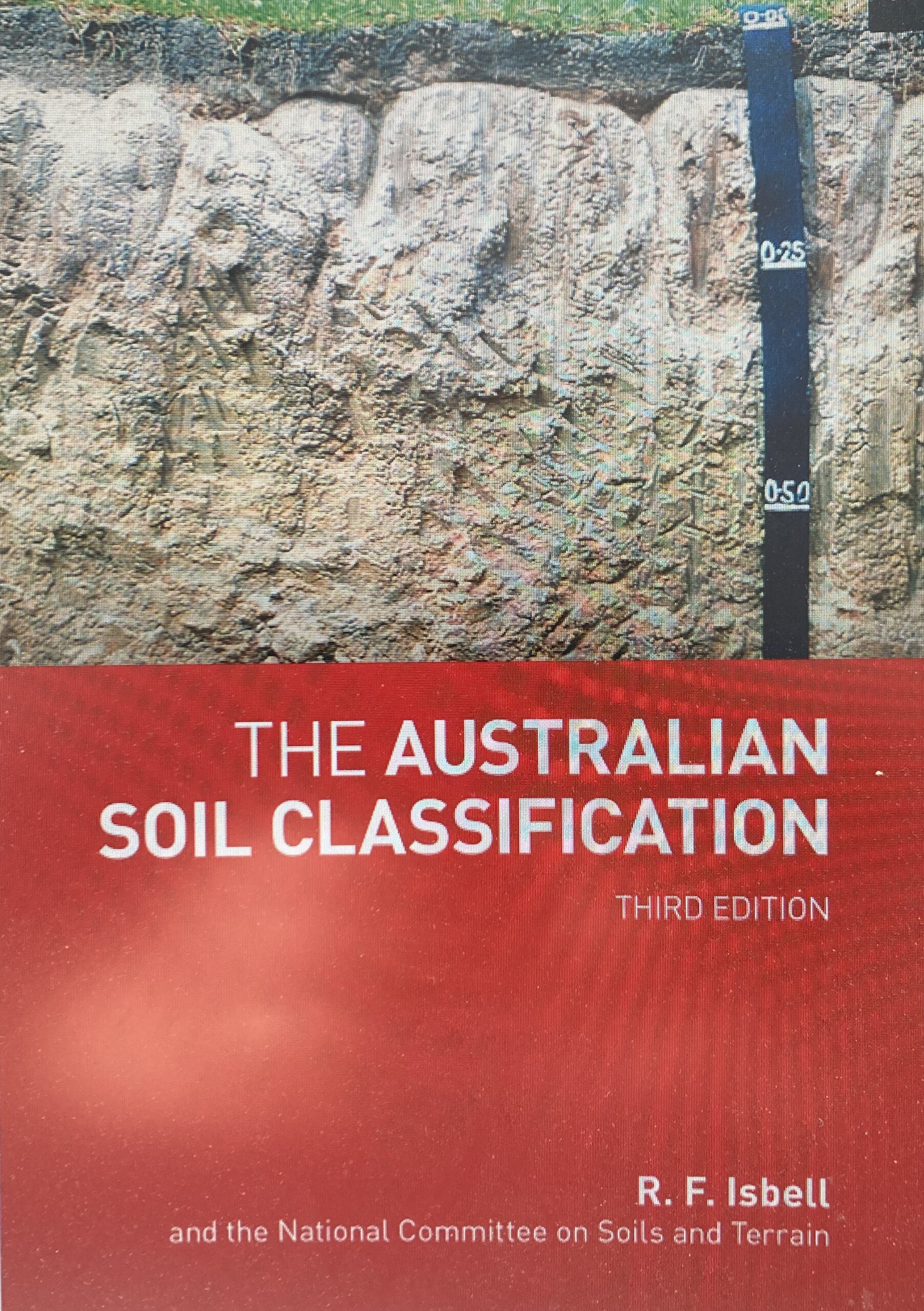
    The Australian Soil Classification handbook, first published in 1996, is a key resource for identifying soils throughout Australia.

  • Native trees and shrubs of South-Eastern Australia

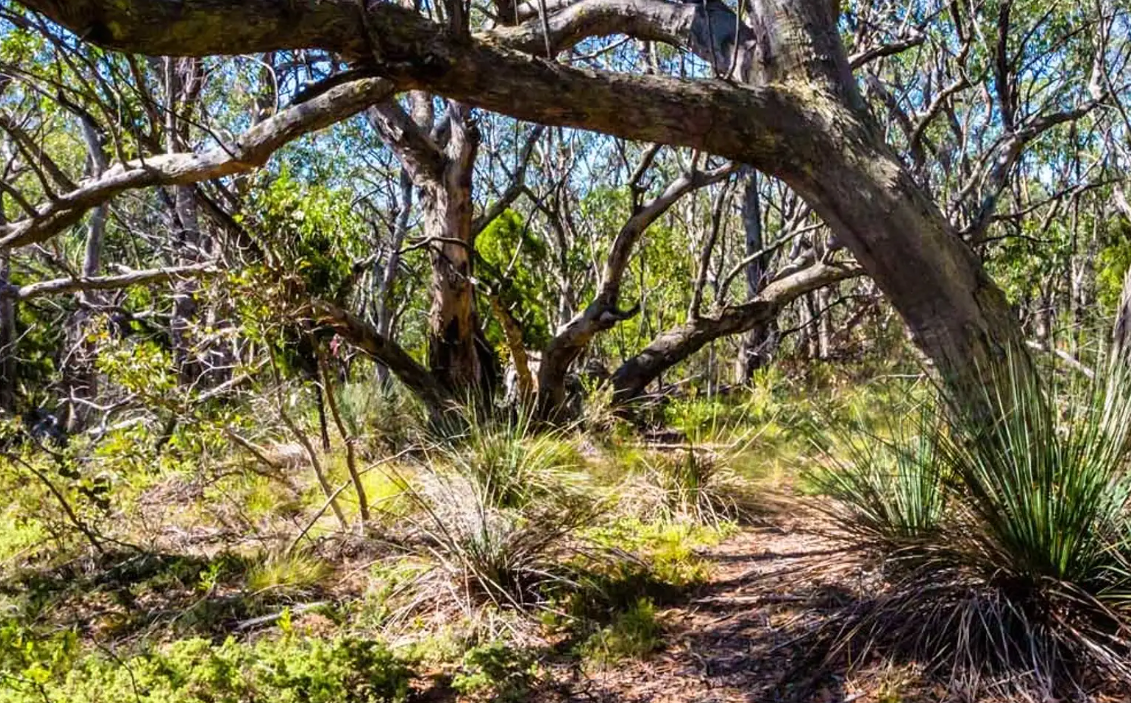
    CC0 licensed photo by bezils from the WordPress Photo Directory: https://wordpress.org/photos/photo/75569292f4/

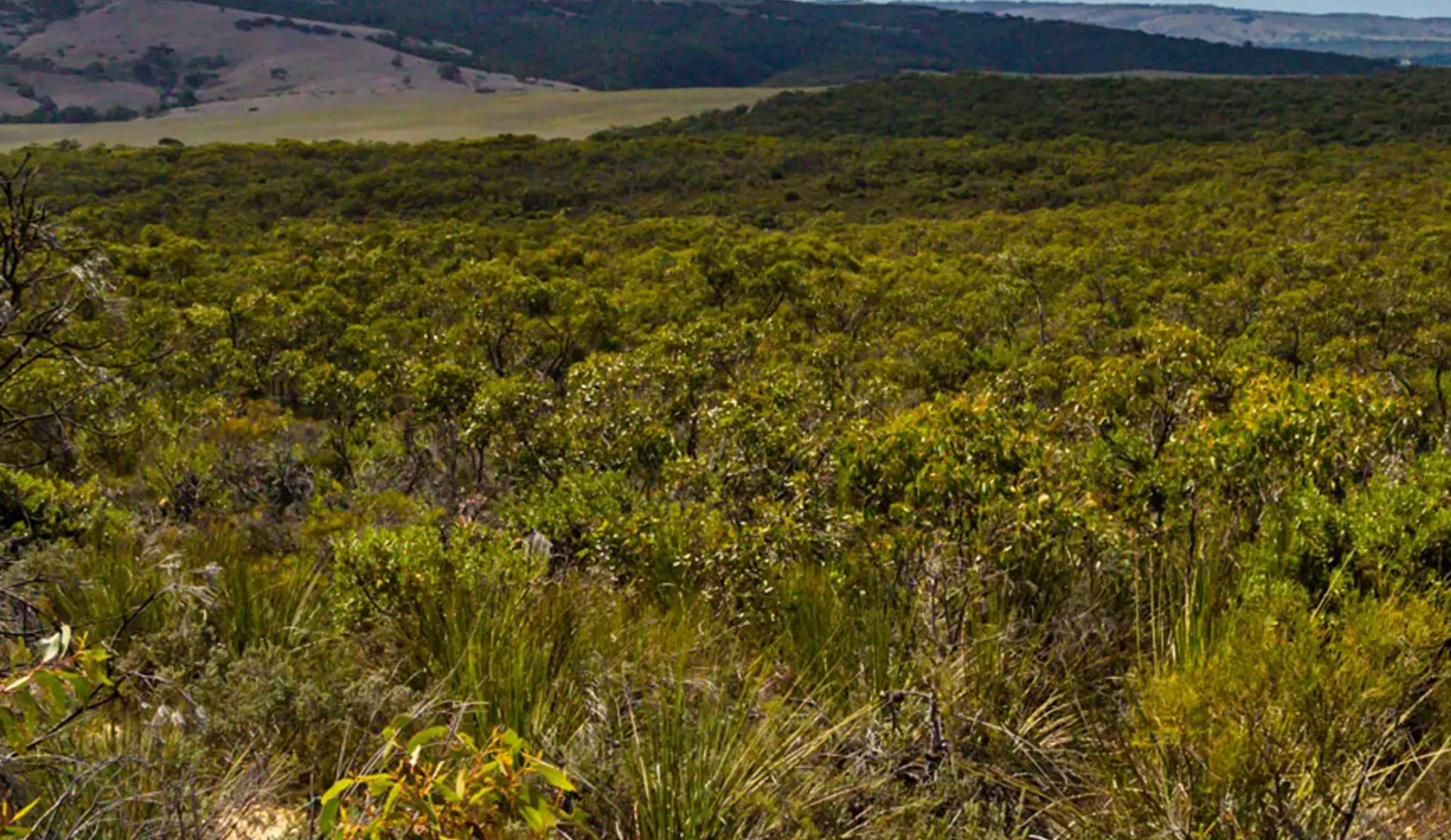
    Native Trees and Shrubs of South-Eastern Australia, by Leon Costermans, embraces an area that stretches from the Flinders and Mt Lofty Ranges in South Australia, across Victoria and southern New South Wales to the NSW South Coast.

  • Swamps of the Fleurieu Peninsula

    30 years of Fame 2023, Mount Lofty Southern Emu-Wren, viewed on 18 January, 2024, . This is an image of a Mount Lofty Southern Emu-Wren.

    The Swamps of the Fleurieu Peninsula are localised wetlands occurring in high rainfall areas in the local catchment areas of Tookayerta, Hindmarsh, Parawa, Myponga, Yankalilla, Onkparinga, Currency Creek and Finniss. They are densely vegetated and occur adjacent to waterlogged soils around low-lying creeks and flats. The Swamps are typified by their reedy or heathy vegetation…
  • Geology of Mount Compass

    Geology of Mount Compass

    Mount Compass has an ancient geology spanning back in time some 2500 million years, including a complete glaciation in the Permian period yielding much of its present topography.

  • Coastal Landscapes of South Australia

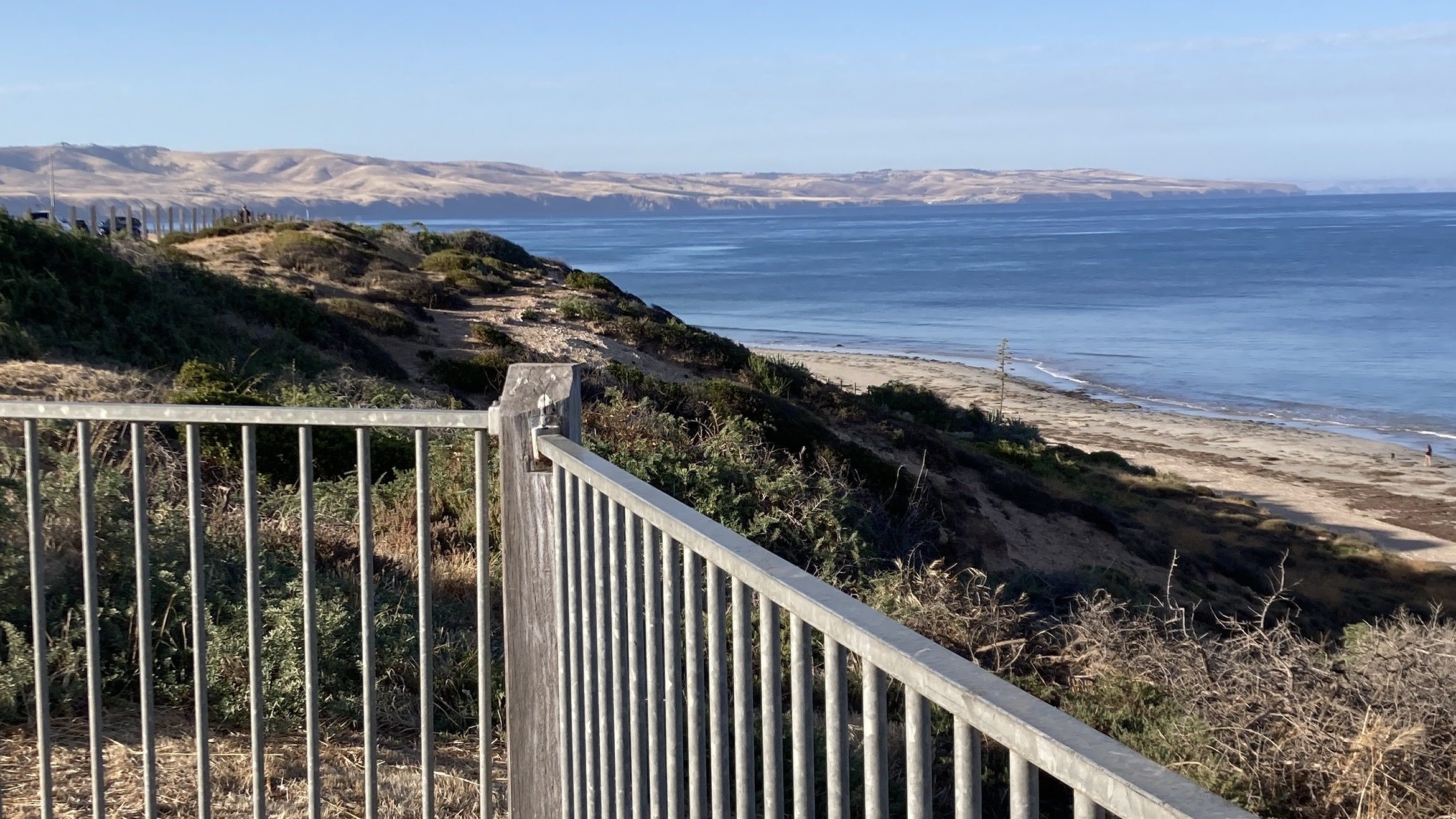
    CC0 licensed photo by Mohammed Kateregga from the WordPress Photo Directory: https://wordpress.org/photos/photo/86369c2e5d/

    Geologically, the South Australian coast is very young, having evolved over only 1% of geological time, during the past 43 million years since the separation of Australia and Antarctica. It is also very dynamic, with the current shoreline position having been established from only 7000 years ago. 

  • Geology of South Australia. Volume 2: The Phanerozoic

    Geology of South Australia. Volume 2: The Phanerozoic

    This report provides a comprehensive view of the geology of South Australia during the Phanerozoic era.

  • Geology of South Australia. Volume 1: The Precambrian

    Geology of South Australia. Volume 1: The Precambrian

    The Precambrian geological record of South Australia spans a period from late Archaean (~2700 Ma) to the end of the Neoproterozoic (540 Ma). Major Precambrian geologi­cal provinces are the Gawler Craton in the centre of the State, Musgrave Block and part of the Officer Basin in the northwest, Coompana Block in the southwest, Curnamona Craton…

  • Dune is a four-letter word

    CC0 licensed photo by salsel from the WordPress Photo Directory: https://wordpress.org/photos/photo/37365573f1/

    Dune is a Four-letter Word tells the story of Griselda and Reg Sprigg’s pioneering desert adventures – not only in the Simpson Desert but all over the vast Australian outback.

  • Bull 053 The Adelaide Geosyncline: late Proterozoic stratigraphy, sedimentation, palaeontology, and tectonics

    Bull 053 The Adelaide Geosyncline:  late Proterozoic stratigraphy, sedimentation, palaeontology, and tectonics

    The Adelaidian Geosyncline is a geological formation which stretches from Kangaroo Island across the Mount Lofty ranges up to the Flinders ranges.